What we check for,
and what we cannot claim
Every product in the shop passed a check. These are the checks, written out: the studies behind them, the numbers, and the places where the evidence runs thin.
Every piece here sorts what it found into five kinds of knowing. They are not the same thing, and most bad advice comes from treating them as if they were.
- What we knowStrong evidence.
- What is emergingInteresting, and not yet settled.
- What people experienceReported, not measured.
- Traditional wisdomOld, and not thereby proven.
- What we do not knowOpen questions.

The thing that works as well as quitting smoking
A large study of 3.4 million people found that being alone is hard on our health. Being together with others helps.
What the sauna actually did in Finland
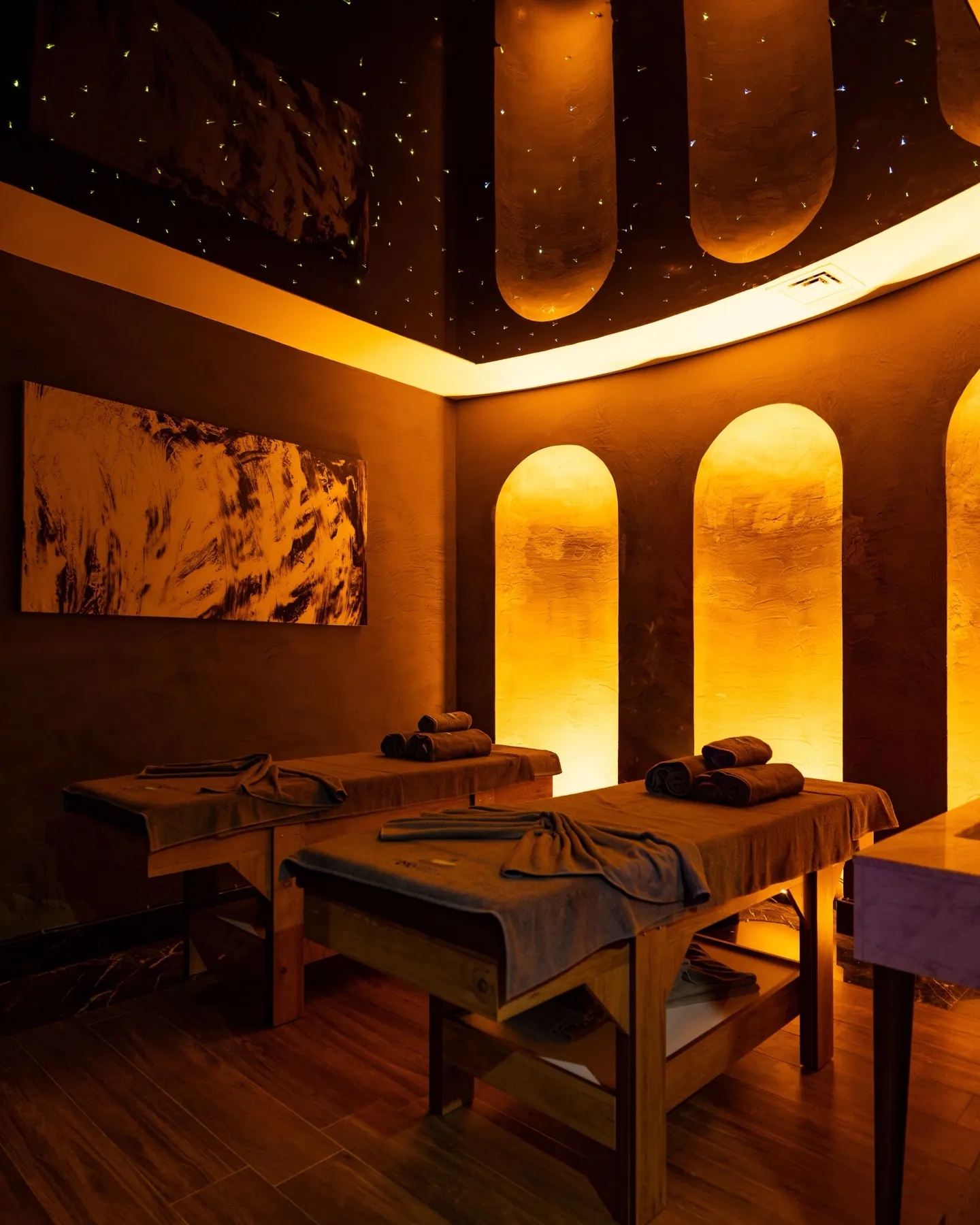
Two thousand men, twenty years, and the largest effect on the site. Also the study most likely to be quoted at you without its caveats, so here they are.
Five hundred calories nobody chose
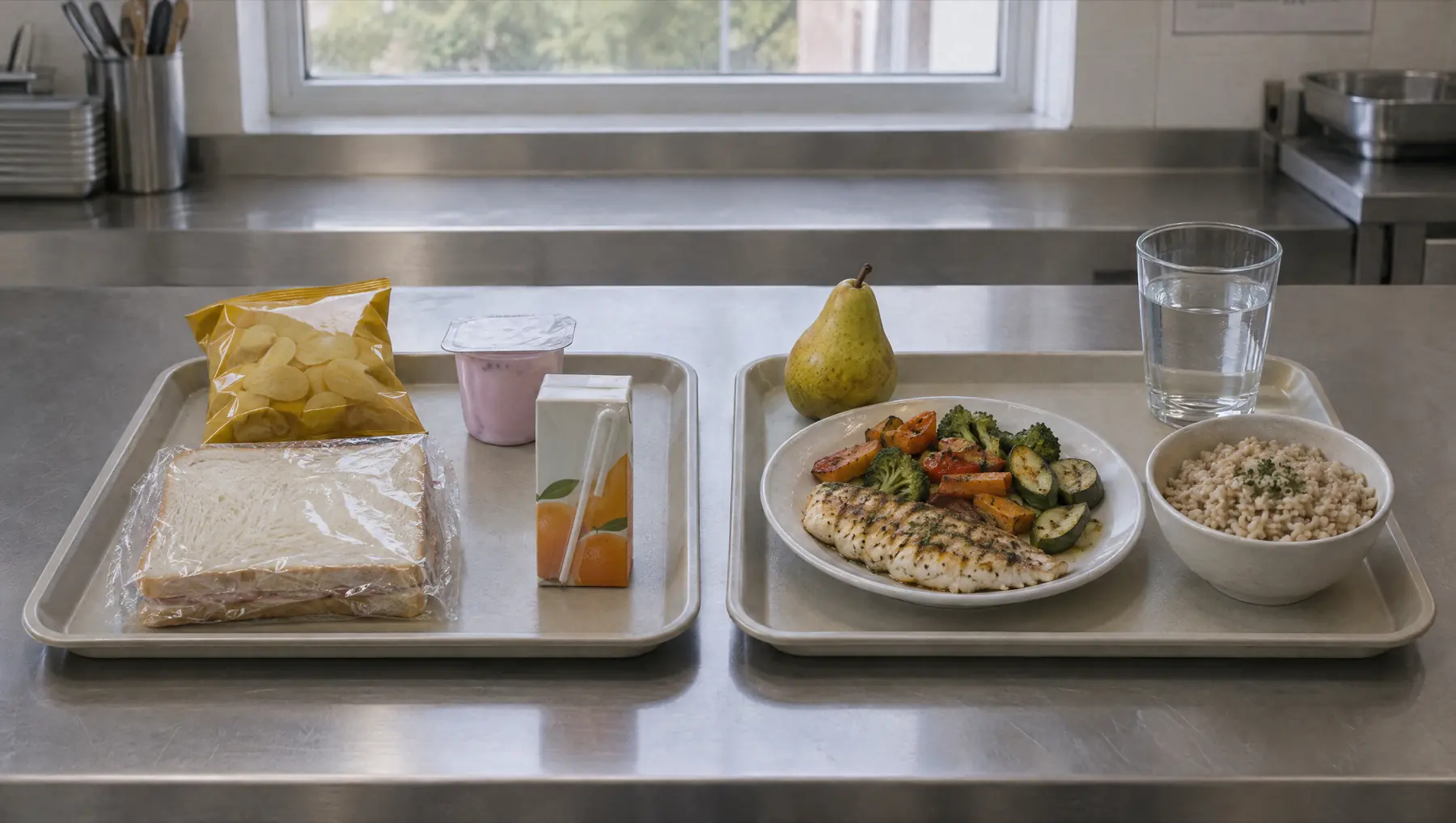
Twenty people, locked in a research ward, fed two diets matched down to the fibre. On one of them they ate 500 calories a day more without deciding to.
The chemicals that do not wash off
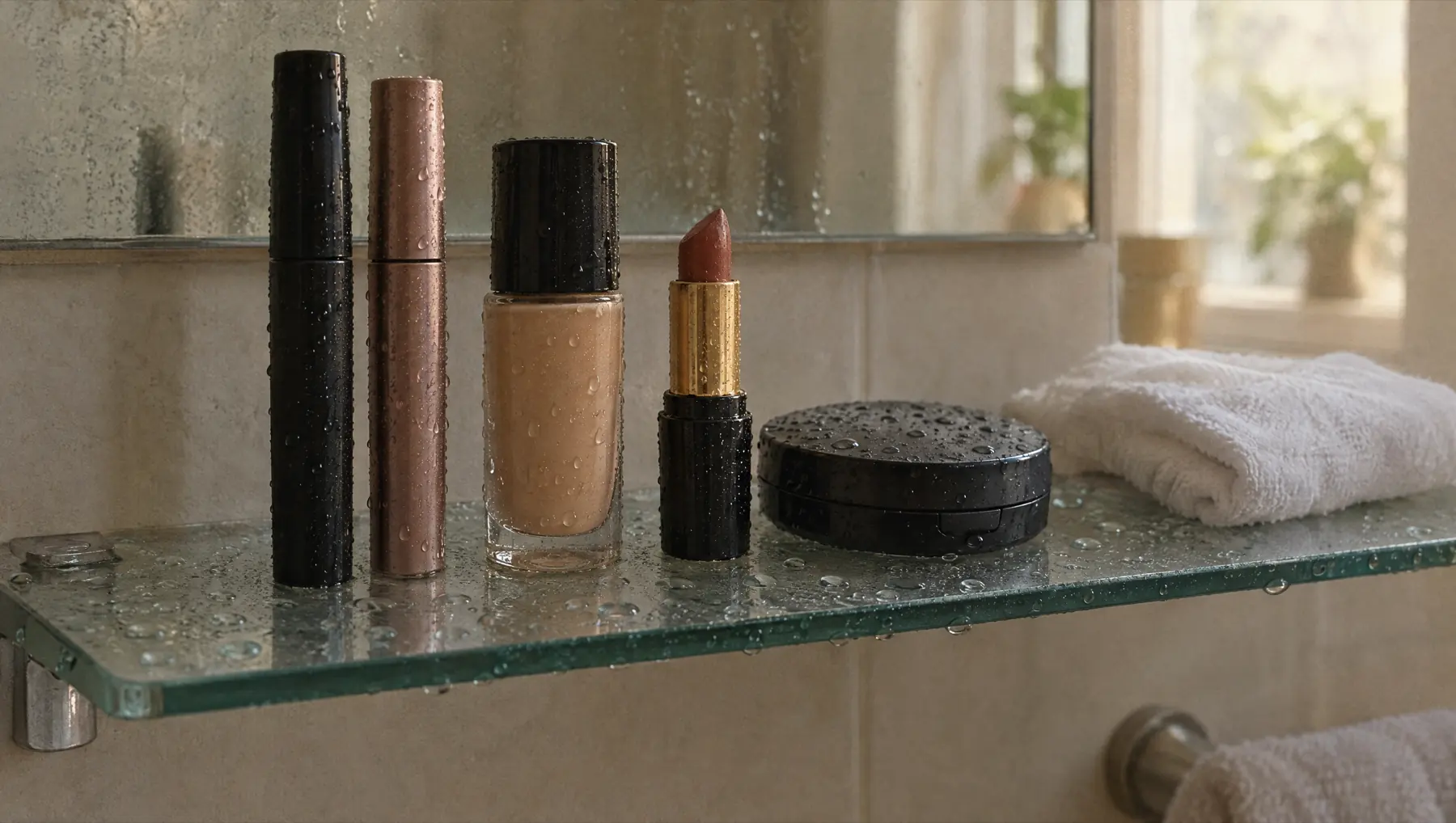
Researchers tested 231 cosmetics for the marker of “forever chemicals”. More than half carried it, and almost none of them said so on the label.

The cold plunge, weighed honestly
It is the most confidently recommended practice in wellness right now, and it has one of the thinnest evidence bases on this site. Both of those things are worth knowing.
The glass of red that was never medicine
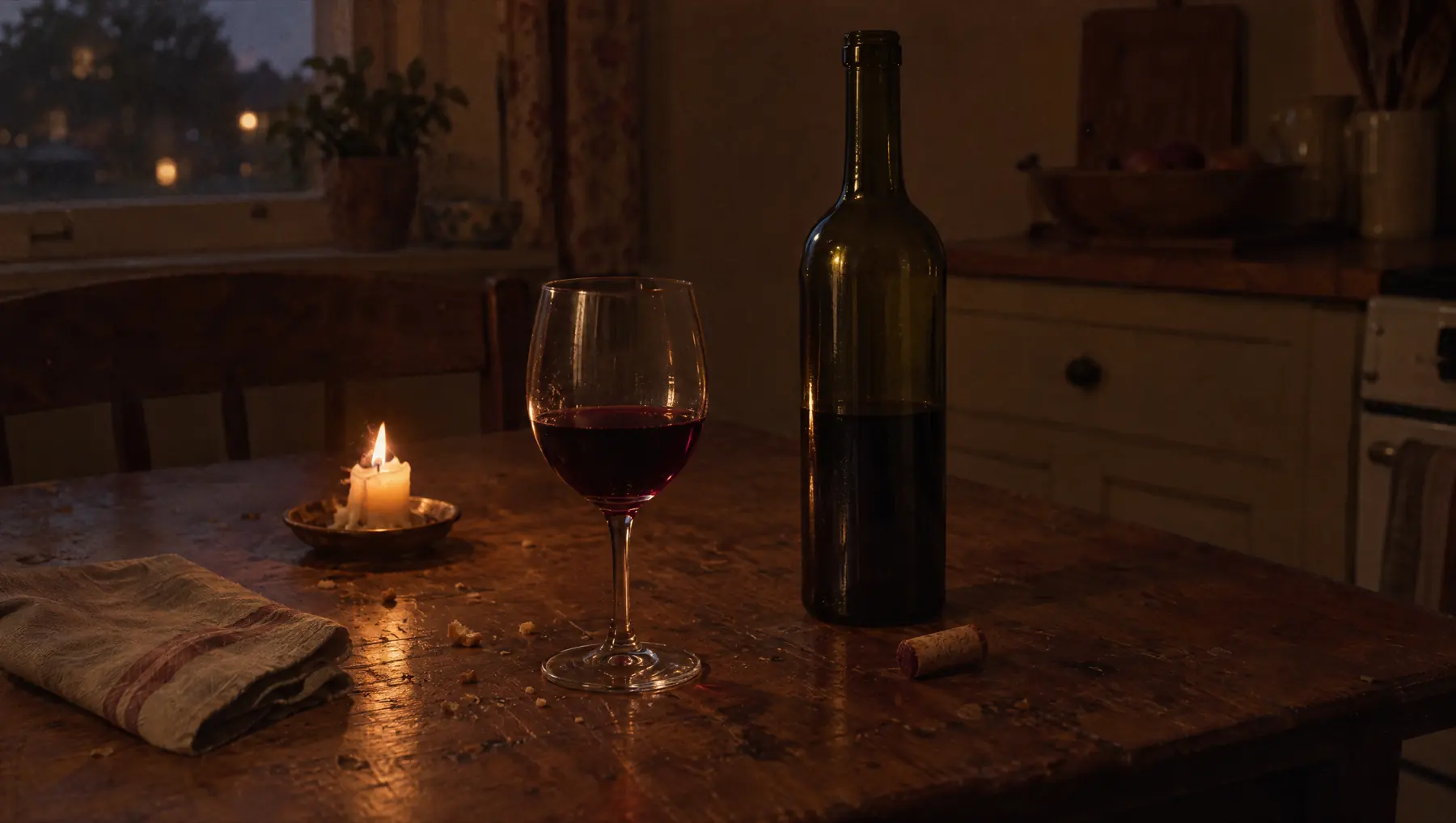
For thirty years the data seemed to show that light drinkers outlived teetotallers. Then somebody asked who the teetotallers actually were.
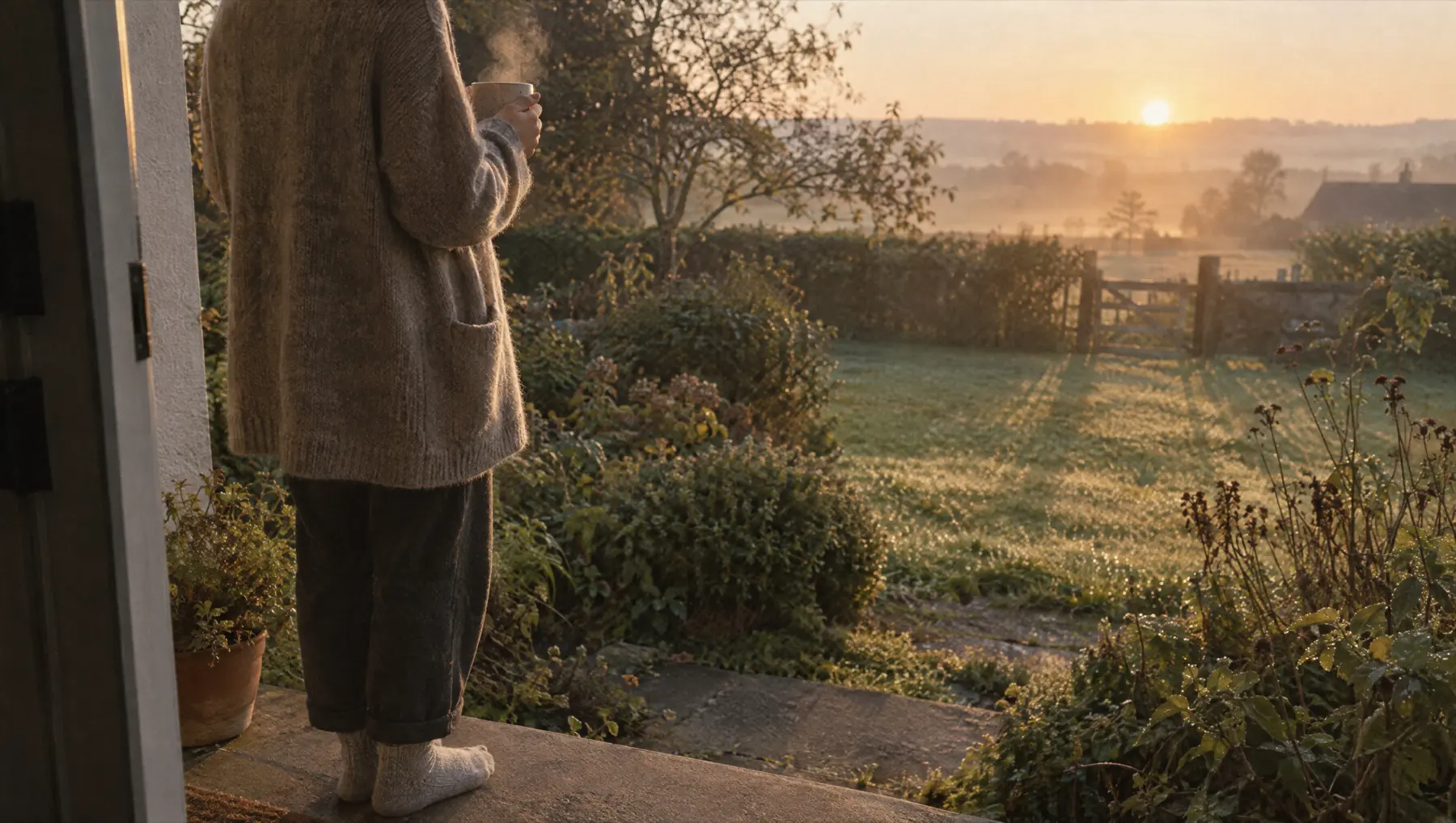
The free thing your body is waiting for
Indoors on a winter morning you might get 300 lux. Outdoors on the same grey morning, several thousand. Your body can tell the difference, even when you cannot.
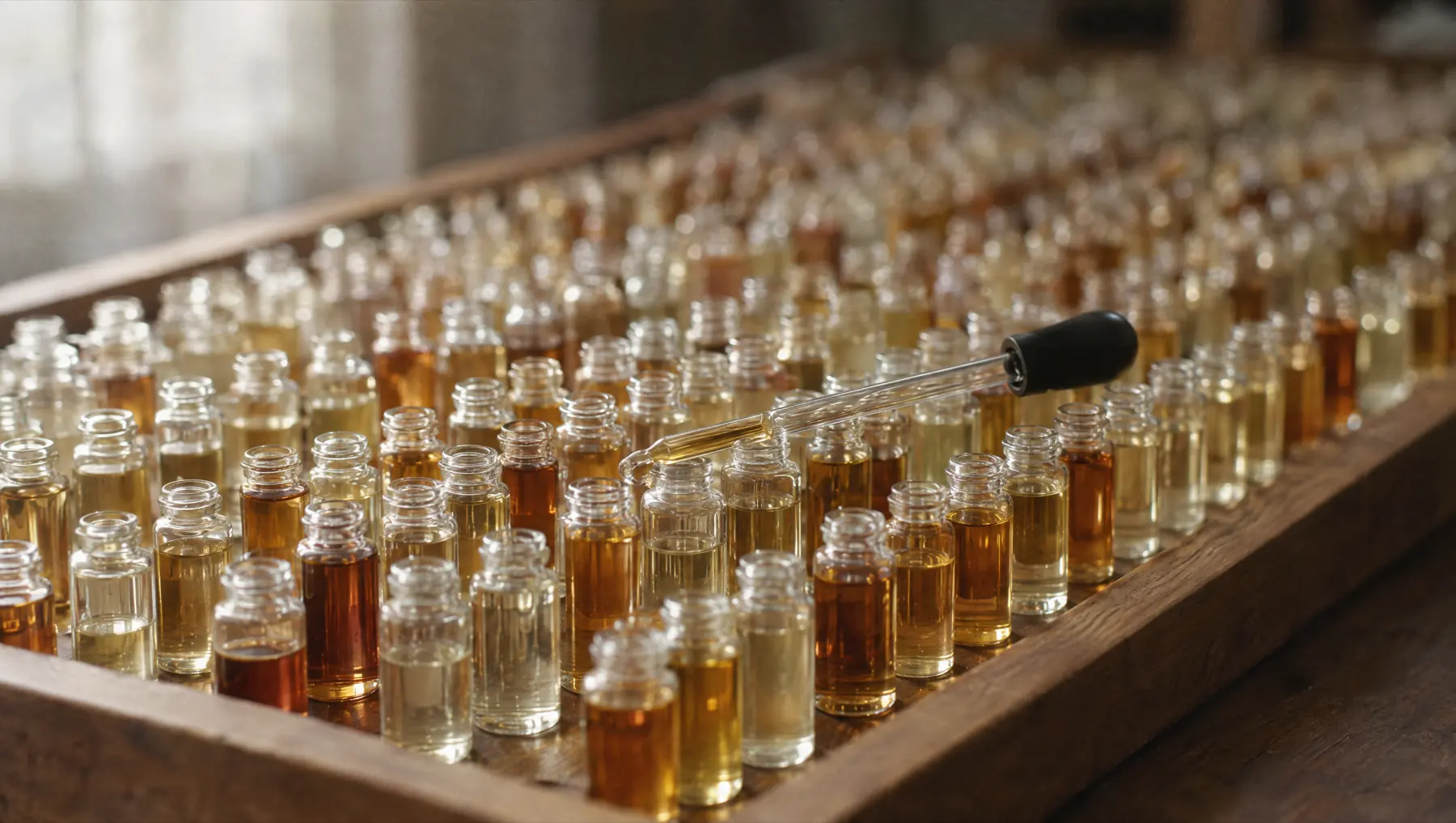
One word, three thousand ingredients
“Fragrance” is a single line on a label and a legal shelter for thousands of chemicals. Here is how that happened, and what it means for a shopping list.
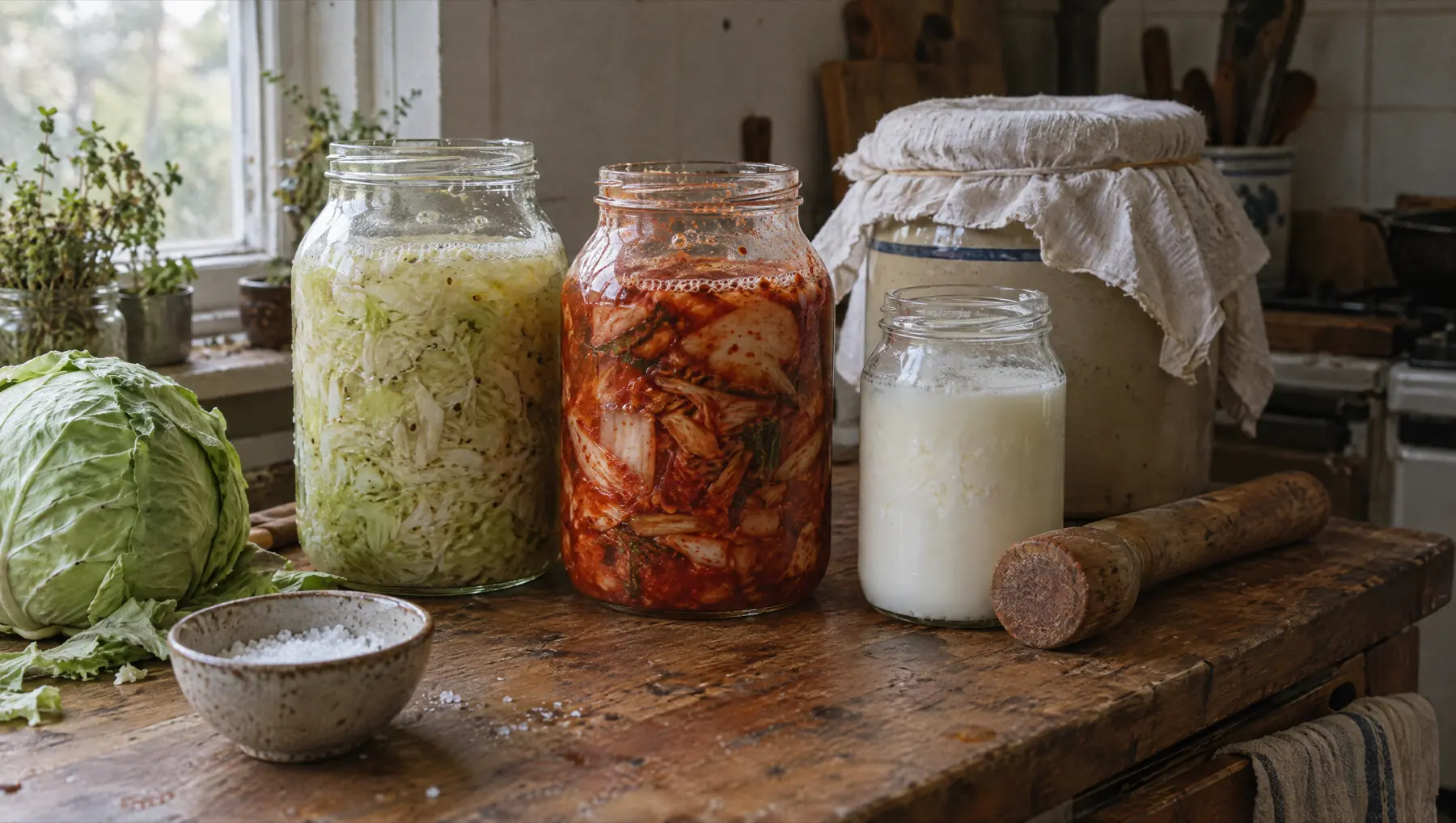
The one food change with a trial behind it
Stanford put 36 people on ten weeks of fermented food. Microbial diversity went up, and nineteen inflammatory proteins went down. This is what “food as medicine” looks like when it is real.
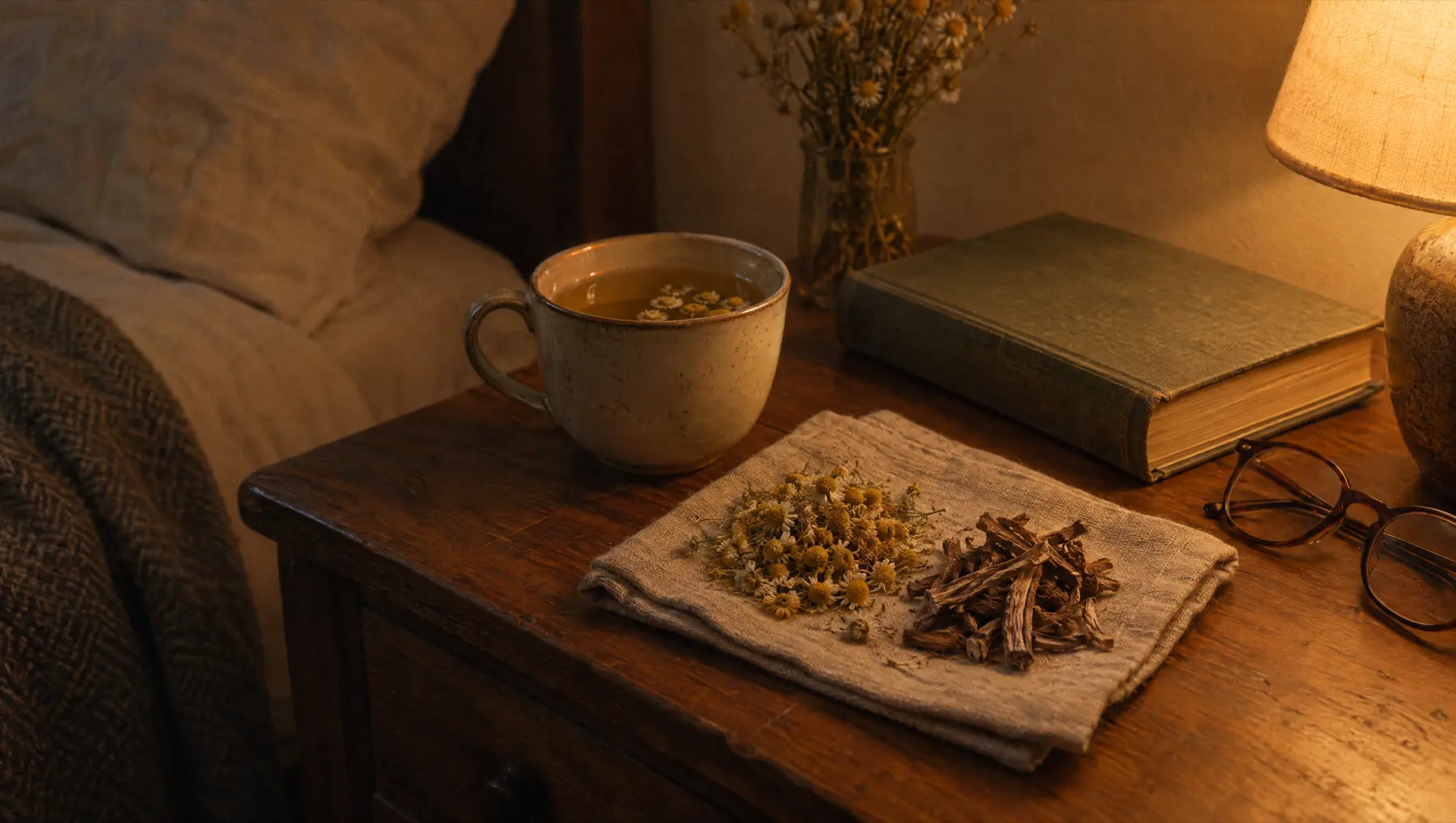
What the plants can and cannot do
Chamomile and valerian are the two most-recommended sleep herbs in the world. The trials are smaller and softer than the recommendations. That is worth knowing before you buy either.
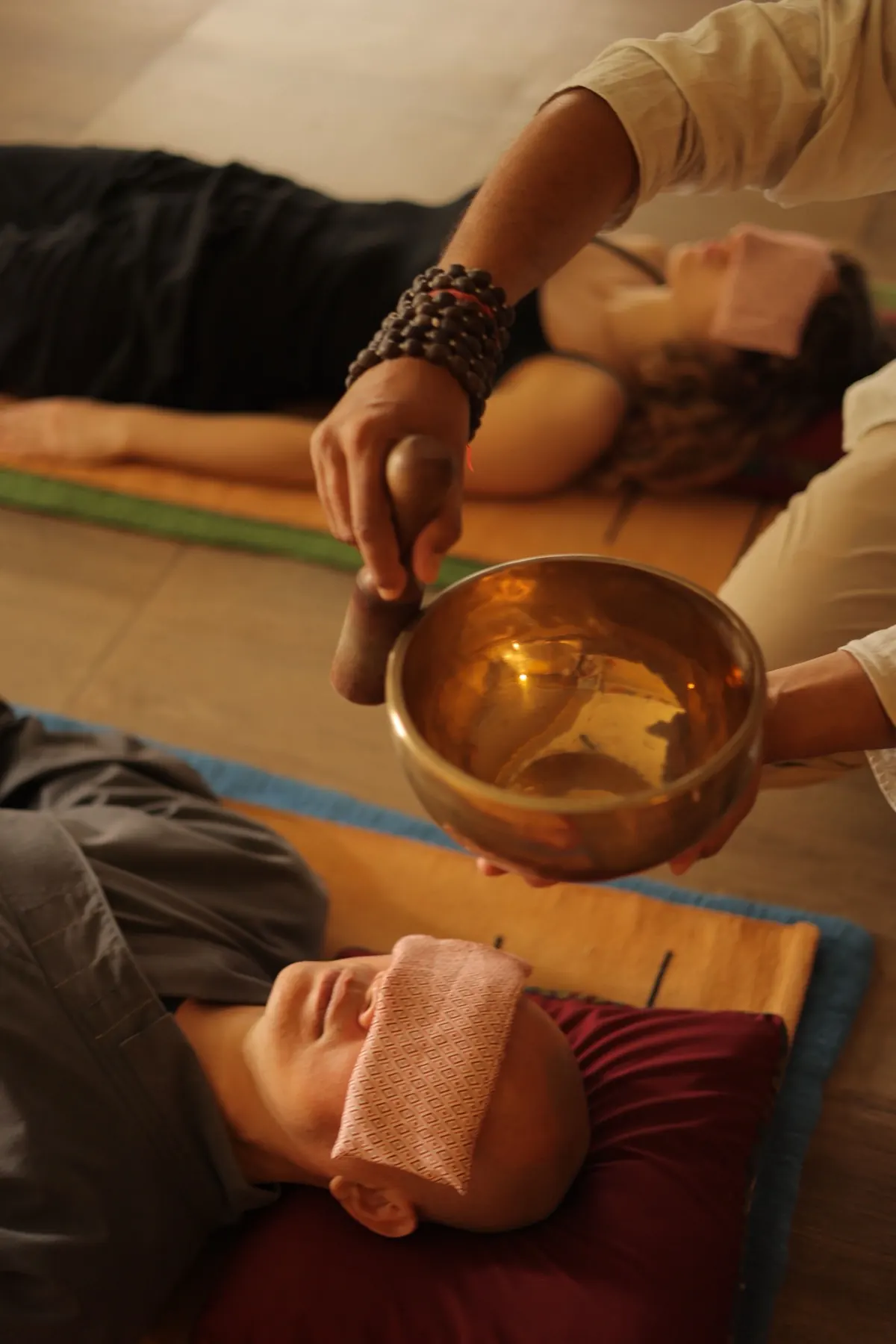
What a singing bowl actually does
One study, sixty-two people, and a result worth taking seriously, as long as you also take seriously what it cannot tell you.

The honest case for a magnesium bath
The popular claim is that magnesium soaks in through your skin. The evidence for that is weak. The bath is still worth having, for reasons that hold up better.
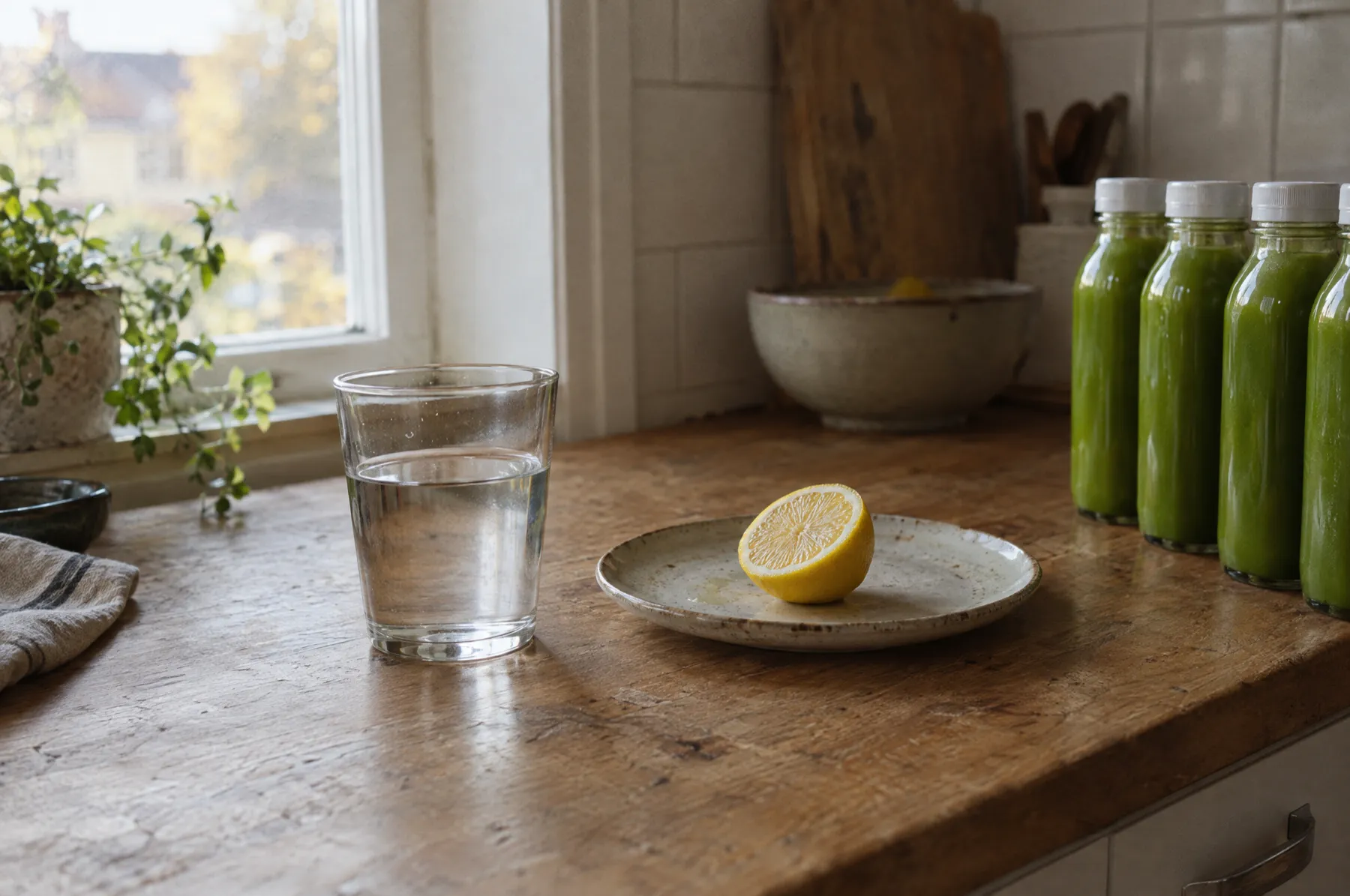
You already have a detox system
Juice cleanses and detox teas promise to flush out toxins. A review of the research found no good trials behind them. Your liver and kidneys do this work every day.

Open a window, keep the plant
Houseplants are often sold as air cleaners. A review of 30 years of studies found you would need hundreds of them to match an open window.
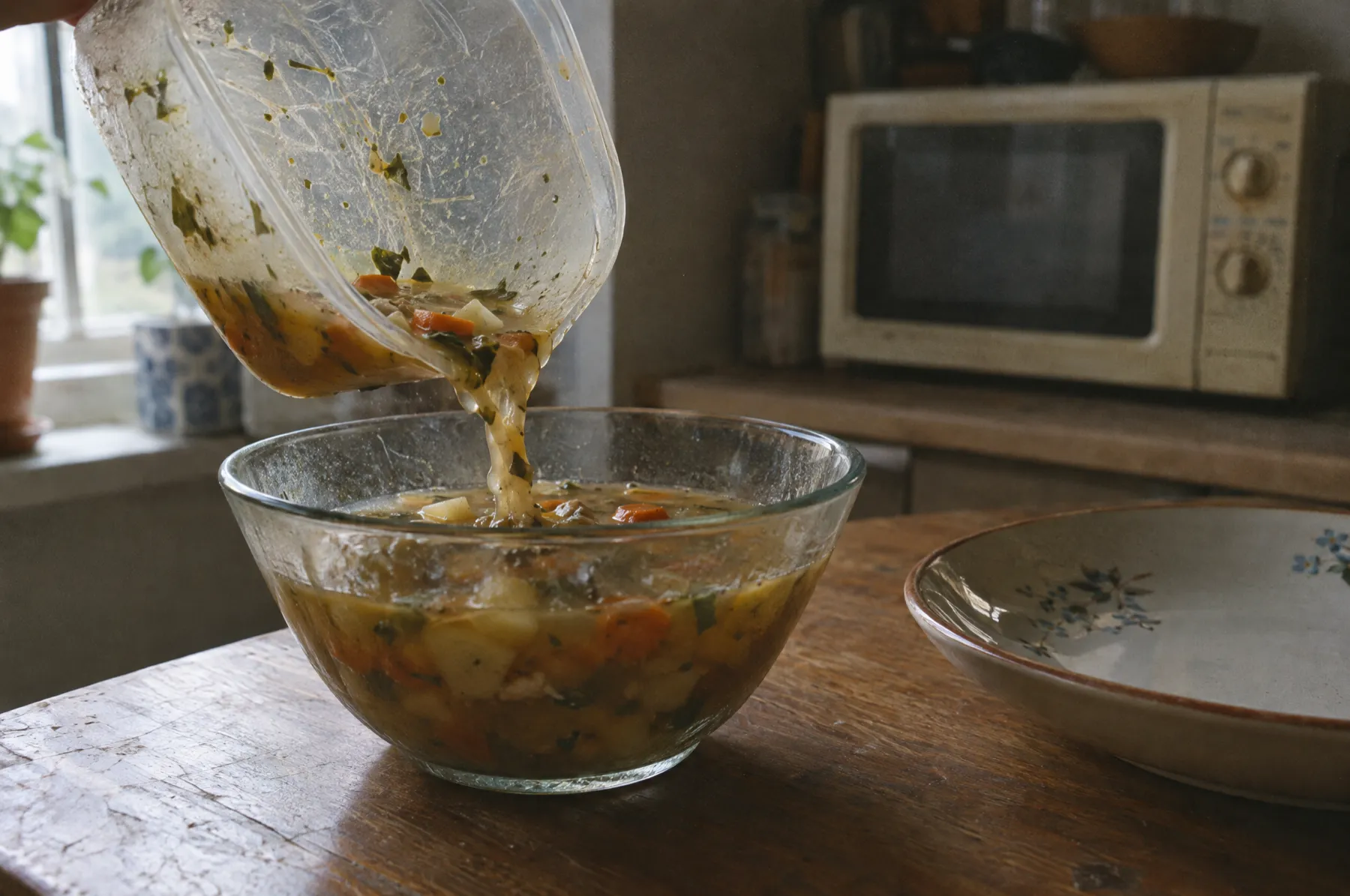
What heat does to plastic
Researchers heated food-safe plastic containers in a microwave for three minutes. Each square centimetre released millions of tiny plastic pieces into the food.

Does a break from your phone help?
A digital detox sounds simple. The research says it can lower low mood a little. For stress and life satisfaction, the studies do not agree.
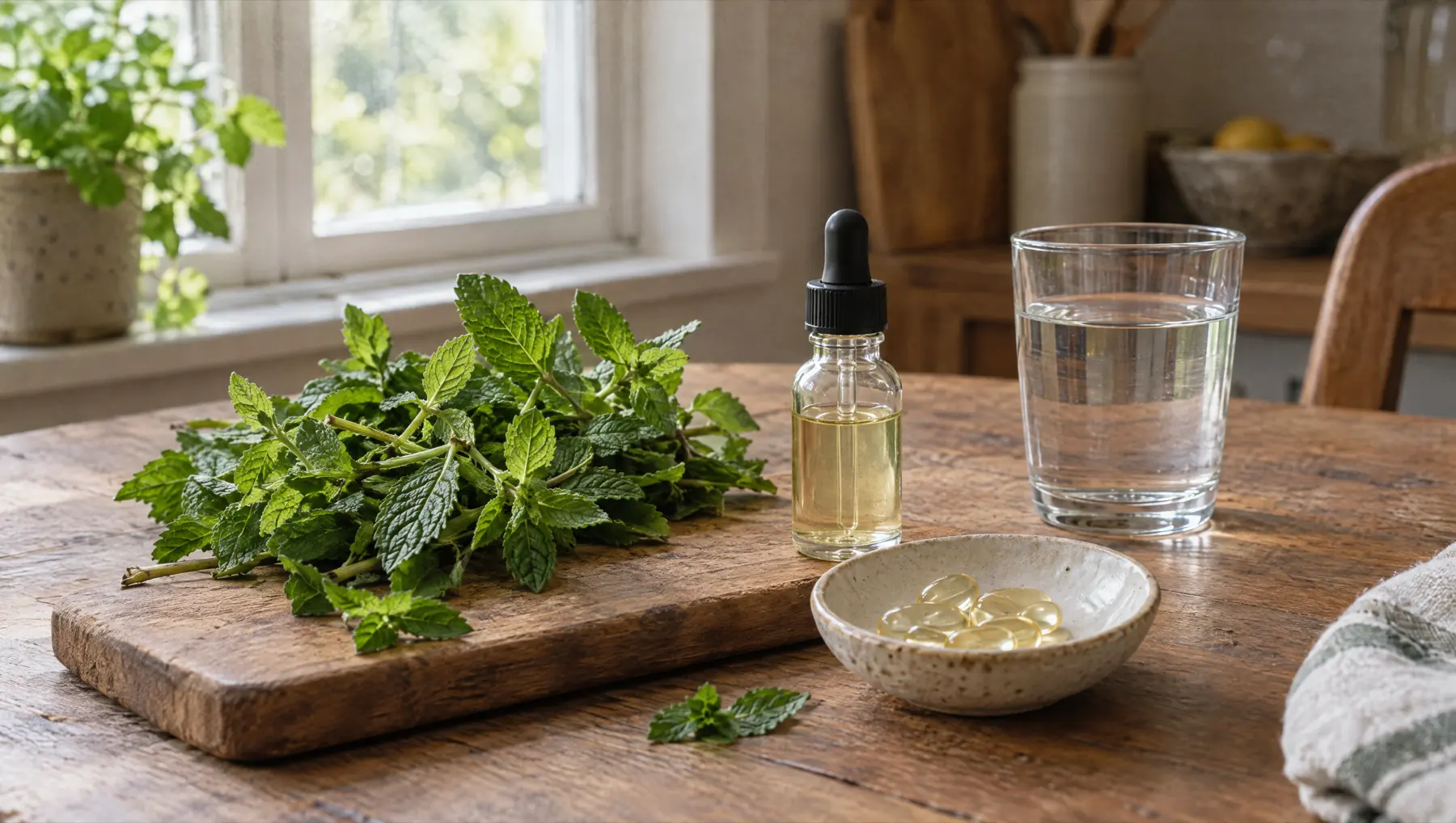
The plant that worked, until more people looked
In 2019 the pooled trials said peppermint oil helps three people in every four you treat. In 2022 the same question was asked again, and the answer got smaller and less certain.
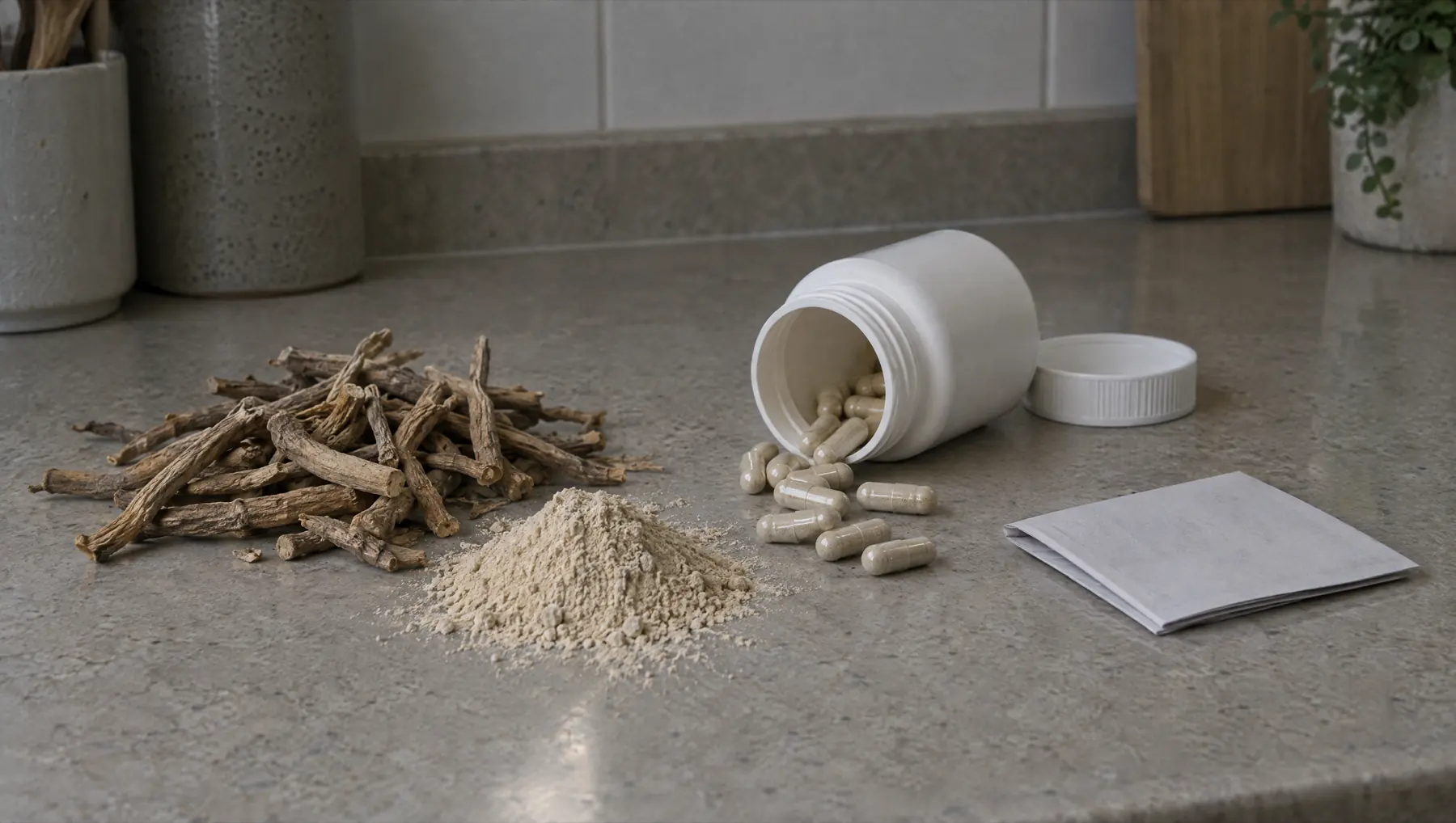
The calm herb with a liver problem
The pooled trials report one of the largest effects on stress we have seen anywhere. They also disagree with each other so violently that the pooling barely means anything, and regulators have started counting hospital admissions.

What a meditation app is actually worth
Pooled across forty-five trials, the apps beat doing nothing. Set against anything else that takes the same twenty minutes, the advantage disappears.
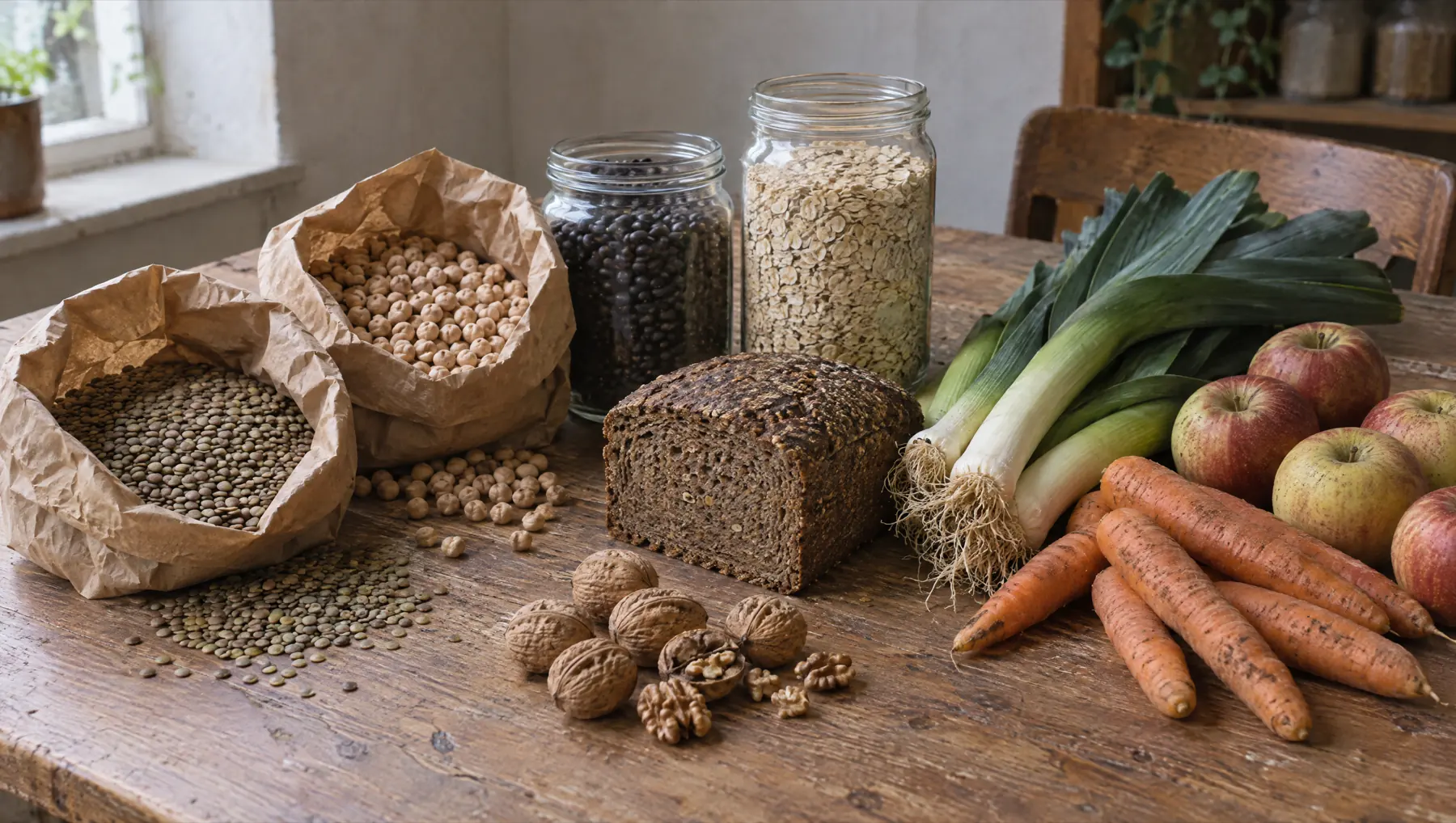
The dullest finding in nutrition is also the largest
A hundred and eighty-five studies, a hundred and thirty-five million person-years, and a dose-response curve that keeps going down. Nobody sells it, because nobody owns it.
We write these before we choose a product, not after. Nothing in the journal is sponsored.